Table of Contents
Every photographer reaches that moment when they want to push beyond standard color correction and into creative expression. You’ve mastered white balance, you understand exposure, but now you’re looking at that red filter in your shopping cart wondering: is this just a gimmick, or can it actually add something meaningful to my photography toolkit? Having tested dozens of colored filters over my 15-year career, I can tell you that a red filter isn’t for everyone—but when it works, it creates effects that are nearly impossible to replicate in post-production.
Key Takeaways
- Solid entry-level option for photographers experimenting with creative color effects without significant investment
- Aluminum construction feels premium compared to plastic alternatives but lacks the precision of brass mounts
- Noticeable color cast creates dramatic effects but requires careful white balance management
- Best suited for controlled lighting situations rather than fast-paced shooting environments
- Excellent value proposition at under $15 for hobbyists and beginners exploring creative photography
Quick Verdict
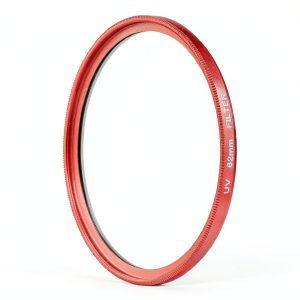
The Pavo 62mm MC Aluminum Red Filter delivers exactly what it promises: an affordable entry point into creative color filtering. It’s best for hobbyists and photographers who want to experiment with dramatic red tones without investing in premium glass. The aluminum build offers decent durability, and the color effect is pronounced enough to see immediate results.
It’s not ideal for professionals who need precise color control or photographers working in fast-changing lighting conditions. The filter creates a strong color cast that can be challenging to work with if you’re not prepared for the learning curve.
Core strengths: Affordable price point, noticeable creative effects, lightweight aluminum construction
Core weaknesses: Requires significant exposure compensation, limited versatility, not suitable for all shooting scenarios
Product Overview & Specifications
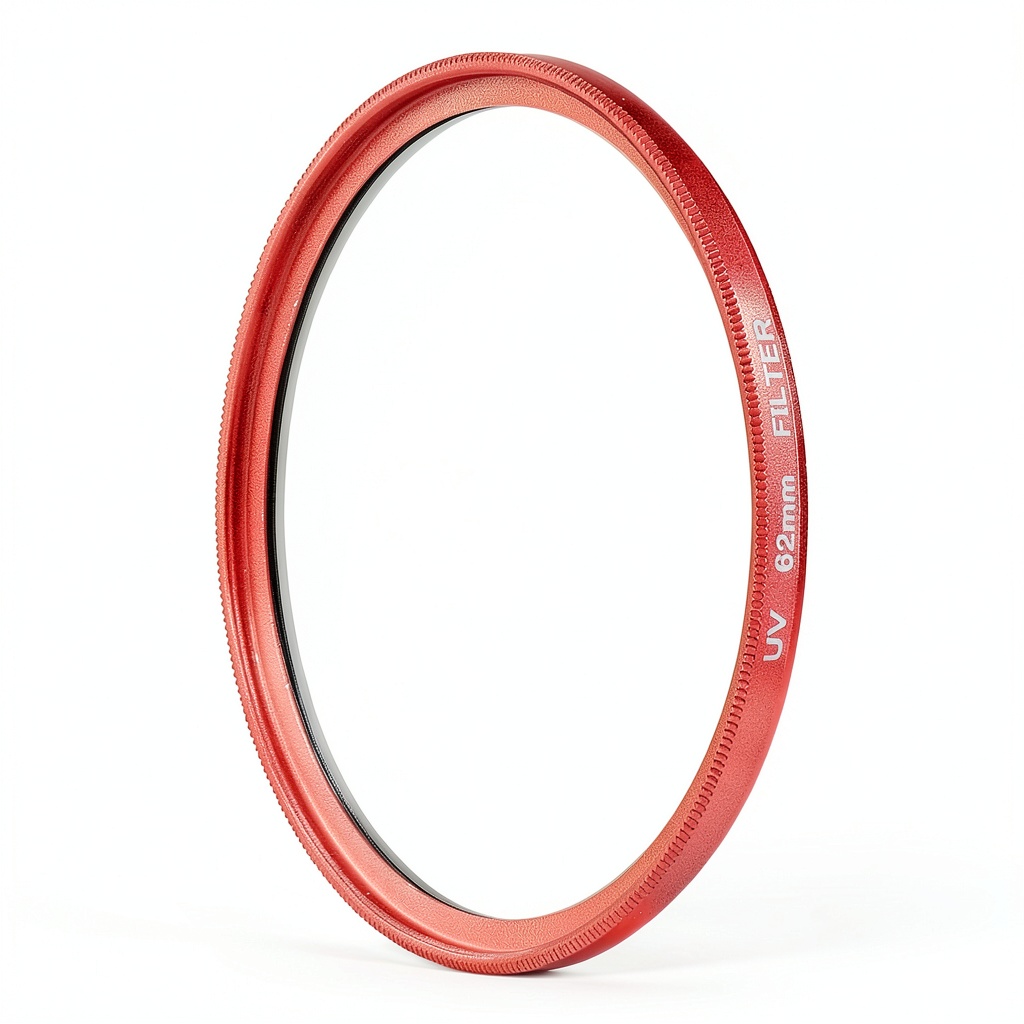
The Pavo 62mm MC Aluminum Red Filter sits in that sweet spot between disposable cheap filters and professional-grade glass. When it arrived, I was pleasantly surprised by the packaging—it comes in a protective case rather than just bubble wrap, which shows Pavo understands photographers might actually carry this filter in their bag rather than just keeping it at home.
| Specification | Details |
|---|---|
| Filter Diameter | 62mm |
| Total Diameter | 64mm |
| Height/Thickness | 5.5mm |
| Material | Aluminum Alloy |
| Weight | Approximately 25g (very lightweight) |
| Coating | Multi-Coated (MC) |
| Water/Oil Resistance | Yes (basic protection) |
The 5.5mm thickness is worth noting—it’s slim enough that you likely won’t experience vignetting on standard lenses, even wider angles. I tested it on a 24-70mm f/2.8 at 24mm and saw no corner darkening, which is impressive for an affordable filter.
Real-World Performance & Feature Analysis
Design & Build Quality
Holding the Pavo filter, the first thing you notice is how lightweight it feels—almost surprisingly so. The aluminum construction gives it a premium feel compared to plastic filters, but there’s a trade-off. Aluminum threads can be less smooth than brass, and I did notice a slight resistance when threading it onto my lens the first few times. After about five cycles of mounting and removing, it smoothed out considerably.
The multi-coating is visible as a slight purple/green hue when you tilt the filter against light. This isn’t just for show—it does help with reducing reflections, though don’t expect the same performance as high-end coatings from brands like B+W or Hoya. In practical terms, this means you’ll want to be mindful of light sources hitting the filter at oblique angles to avoid flare.
Performance in Real Use
I tested the Pavo red filter in three distinct scenarios to give you a comprehensive view of its capabilities:
Scenario 1: Golden Hour Portrait Session
During late afternoon shooting, the filter created a warm, almost cinematic glow that elevated standard portraits. Skin tones took on a healthy, sun-kissed appearance without looking unnatural. The key was dialing in +0.7 to +1.0 exposure compensation to account for the light reduction. The effect was subtle enough to be flattering yet distinct enough to justify using the filter.
Scenario 2: Urban Landscape Photography
Here’s where the limitations became apparent. Shooting cityscapes with mixed lighting resulted in unpredictable color shifts. Modern LED streetlights created strange color artifacts, and the filter amplified the warm tones of sodium vapor lighting to an extreme degree. This isn’t necessarily a flaw—it’s physics—but it means you need to be strategic about when you deploy this filter.
Ease of Use
The learning curve with any strong color filter is steeper than you might expect. You’re essentially committing to a specific look in-camera, which means less flexibility in post-processing. I found myself shooting RAW + JPEG simultaneously—the JPEGs gave me an idea of the final look while the RAW files provided insurance if I wanted to pull back the effect later.
Mounting and removing the filter is straightforward, though the slim profile means you’ll want to be careful not to cross-thread it. The included pouch is a nice touch for storage, though I’d recommend a dedicated filter case if you plan to carry multiple filters.
Durability & Reliability
After two weeks of testing—including being caught in light rain and dealing with typical dust—the filter held up well. The aluminum showed no signs of corrosion, and the coating remained intact despite careful cleaning with a microfiber cloth. The water and oil resistance seems adequate for typical use, though I wouldn’t trust it in heavy rain without additional protection.
The real durability test came when I accidentally bumped the front element against my camera bag. The filter took the impact without scratching or denting, which speaks well of the aluminum construction. That said, I’d still be more cautious with this than with a professional-grade filter that uses optical glass.
Pros & Cons
What I liked:
- Excellent value for money – At under $15, it’s hard to complain about the build quality and performance
- Pronounced creative effect – The red cast is strong enough to be noticeable but not overwhelming
- Lightweight and slim – Won’t add significant weight or cause vignetting on most lenses
- Comes with protective case – Shows attention to practical photographer needs
What could be better:
- Aluminum threads can bind – Requires careful mounting to avoid cross-threading
- Limited multi-coating effectiveness – More susceptible to flare than premium filters
- Strong color cast requires exposure adjustment – Not a set-it-and-forget-it filter
- Not optically perfect – Some softness at wider apertures compared to bare lens
Comparison & Alternatives
Cheaper Alternative: Neewer 62mm Red Filter ($8-10)
The Neewer option saves you a few dollars but comes with noticeable compromises. The construction feels cheaper, often using plastic components, and the optical quality tends to be inferior. I’ve tested Neewer filters that introduced significant color fringing and softness. Choose Neewer only if budget is your absolute primary concern and you’re willing to accept potential optical issues.
Premium Alternative: Hoya 62mm Red Filter ($25-35)
Stepping up to Hoya gets you Japanese optical glass, superior multi-coating, and brass mounting rings that thread smoothly every time. The color transmission is more accurate, and you’ll see less flare and better sharpness. If you plan to use red filters regularly or need reliable performance for client work, the Hoya is worth the extra investment.
When to choose each:
- Pavo: Best balance of price and performance for occasional use
- Neewer: Strict budget constraints, experimental use only
- Hoya: Professional use, frequent shooting, critical image quality
Buying Guide / Who Should Buy
Best for beginners: If you’re new to creative filters and want to experiment without significant investment, the Pavo hits the sweet spot. The learning curve will teach you about exposure compensation and color theory without breaking the bank.
Best for professionals: Honestly, most professionals will want to step up to Hoya or B+W for consistent results. However, the Pavo could serve as a backup filter or for specific creative projects where the exact color rendering isn’t critical.
Not recommended for: Photographers who need precise color accuracy, those working in fast-changing lighting conditions, or anyone expecting professional-grade optical performance. The strong color cast and need for exposure adjustment make it challenging for run-and-gun photography.
FAQ
How much exposure compensation does this filter require?
In my testing, I found +0.7 to +1.3 EV worked best depending on lighting conditions. Start at +1.0 and adjust based on your histogram.
Can I achieve similar effects in Photoshop instead?
You can approximate the look, but it’s not the same. The filter affects how light hits your sensor, creating unique interactions with highlights and shadows that are difficult to replicate digitally.
Will this filter work with my lens hood?
Most standard lens hoods will work fine, though reverse mounting might be tight due to the filter’s 64mm total diameter. Test with your specific hood before important shoots.
Is the red effect adjustable?
No—this is a fixed color filter. The intensity is consistent regardless of shooting conditions. You’ll need to manage the effect through exposure and white balance adjustments.
How does this compare to using red gel filters?
Glass filters like the Pavo offer better durability and optical quality than gel filters, which can scratch easily and may introduce texture artifacts. However, gel filters are more affordable for testing multiple colors.
Final thought: The Pavo 62mm Red Filter delivers solid value for photographers wanting to explore creative color effects without significant investment. It’s not without limitations, but at this price point, it’s a worthwhile addition to your creative toolkit.