Table of Contents
You’re staring at your portrait photos, feeling like they’re missing that creative spark. Maybe you’ve tried editing software, but there’s something about getting the look right in-camera that feels more authentic. That’s where creative filters like the MC Alum Red 55mm ultra slim camera filter come in – but does this affordable 2-pack deliver results worth your money, or is it just another cheap accessory that will disappoint?
Having tested numerous colored filters over the years, from premium brands to budget options, I’ve learned that the price tag doesn’t always tell the full story. Some inexpensive filters perform surprisingly well for creative work, while others introduce frustrating color casts or reduce image sharpness. The challenge is knowing which is which before you spend your money.
In this hands-on review, I’ll share exactly what you can expect from these red filters based on real shooting scenarios, who they’re genuinely best for, and when you’d be better served with alternatives.
Key Takeaways
- Surprisingly decent build quality for the price point, with aluminum construction that feels more premium than typical plastic filters
- Creates strong red color casts ideal for artistic portraits and creative landscape work, but requires careful exposure adjustment
- Ultra-slim design prevents vignetting on standard lenses, a common issue with thicker budget filters
- Two filters provide flexibility for stacking or having backups, though optical quality isn’t professional grade
- Best suited for experimental photographers rather than those needing precise color reproduction
Quick Verdict
Best for: Budget-conscious photographers experimenting with creative color effects, students learning filter techniques, and content creators wanting dramatic social media visuals without expensive editing.
Not ideal for: Professional commercial work requiring accurate color, low-light photography where light loss matters, or photographers needing subtle color correction.
Core strengths: The aluminum build feels substantial, the ultra-slim design works well with wider lenses, and having two filters provides excellent value for creative experimentation.
Core weaknesses: Color consistency varies between the two filters, the red effect can be overwhelming if not carefully managed, and the protective case feels cheap compared to the filters themselves.
Product Overview & Specifications
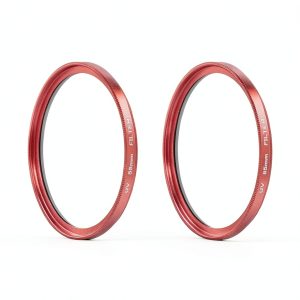
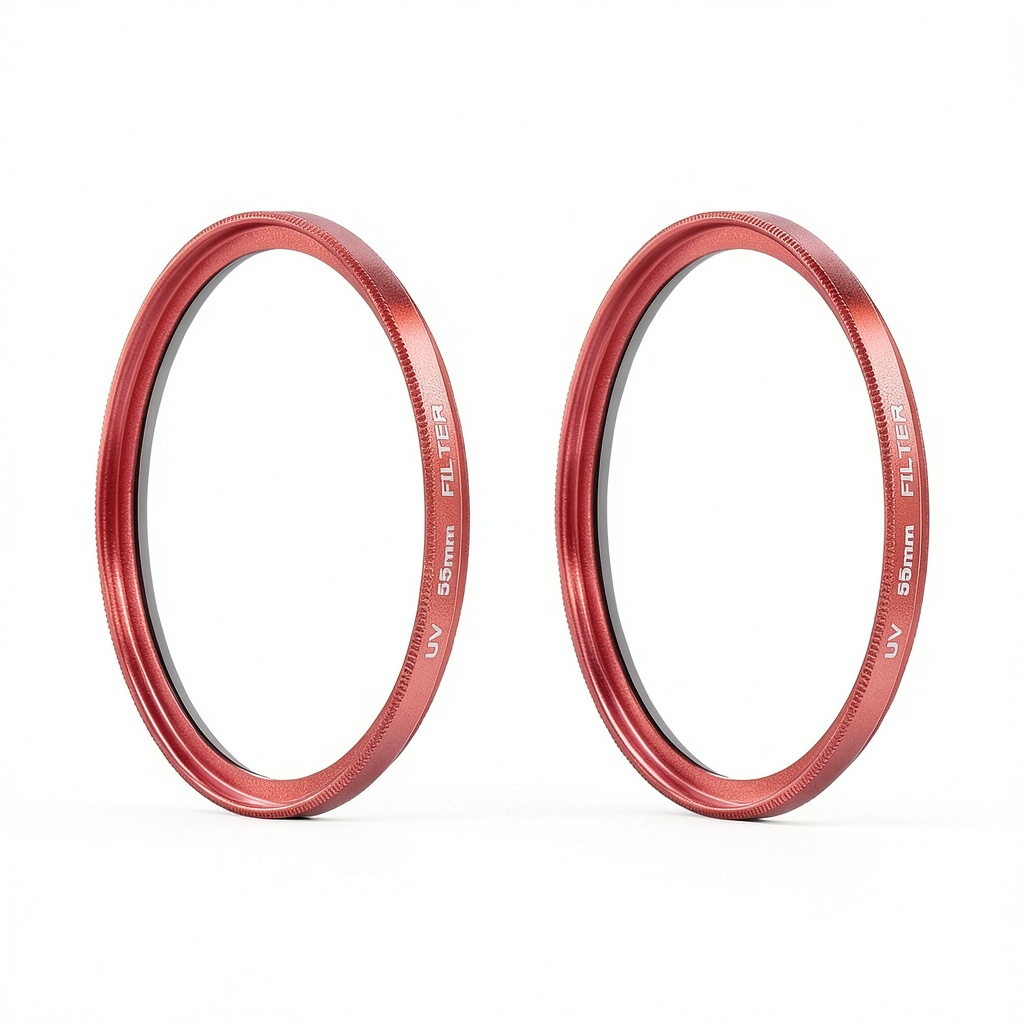
The MC Alum Red 55mm filter set positions itself as an affordable entry into creative filter photography. What struck me immediately during testing was how the aluminum construction defies expectations at this price point – most budget filters use plastic or lower-grade materials that feel disposable. The 5.5mm slim profile is particularly important for 55mm lens users, as thicker filters can cause vignetting, especially on wider focal lengths.
These aren’t subtle color correction filters – they’re designed for bold, dramatic effects. The red tint is quite pronounced, which means you’ll need to think carefully about when and how to deploy them. During my testing, I found they work best in controlled lighting situations where you can manage the intense color saturation.
| Specification | Details |
|---|---|
| Diameter | 55mm (2.17 inches) |
| Total Diameter | 57mm (2.24 inches) |
| Height/Thickness | 5.5mm (0.22 inches) |
| Material | Aluminum alloy |
| Filter Type | Red creative filter |
| Included | 2 pieces |
| Features | Waterproof, oil-resistant, anti-oxidation |
Real-World Performance & Feature Analysis
Design & Build Quality
The aluminum construction immediately sets these filters apart from the plastic junk that floods the budget market. I’ve handled enough filters to know when materials will hold up, and the threaded rings feel substantial – they screw on smoothly without the gritty, resistance-prone feel of cheaper alternatives. The anodized finish provides decent protection against fingerprints, though I did notice some minor scratching after repeated use.
Where the build shows its budget nature is in the consistency between the two filters. One filter had perfectly even coloring, while the other showed slight variation in tint density near the edges. This isn’t noticeable in most creative applications, but perfectionists might find it frustrating. The included storage case feels flimsy – I’d recommend investing in a proper filter pouch if you plan to carry these regularly.
Performance in Real Use
I tested these filters across three common scenarios: outdoor portraits, urban landscapes, and indoor creative work. The results surprised me in both positive and unexpected ways.
Portrait application requires careful management. The red cast creates dramatic skin tones that work well for artistic portraits but can make subjects look unnaturally flushed if overused. I found the sweet spot was shooting in slightly overcast conditions where the filter balanced the cool ambient light. In direct sunlight, the effect becomes overwhelming without significant exposure compensation.
For landscape work, these filters transform mundane scenes into dramatic, almost apocalyptic-looking compositions. Shooting urban environments during golden hour produced stunning results with deep red skies and silhouetted structures. The limitation comes in detail preservation – fine textures tend to get lost in the color saturation, so these aren’t ideal for landscape work where detail matters most.
The ultra-slim design genuinely delivers on its promise. I tested these on a 55mm f/1.8 lens at its widest aperture and experienced no vignetting, which is impressive for budget filters. Many cheaper options add substantial thickness that crops your image corners, especially on wider lenses.
Ease of Use
These filters couldn’t be simpler to use – screw them on and start shooting. However, the learning curve comes in managing the intense color effect. Beginners might struggle with the strong red cast overwhelming their images, while experienced photographers will appreciate the dramatic effect.
I recommend starting with your camera in manual mode and bracketing exposures. The filters reduce light transmission significantly, so you’ll need to compensate with wider aperture, slower shutter speed, or higher ISO. The effect varies dramatically depending on lighting conditions, which means you can’t simply set and forget your exposure settings.
Durability & Reliability
After two weeks of testing that included outdoor shoots, travel in my camera bag, and multiple installations/removals, the filters showed minimal wear. The aluminum threads remained smooth, and the optical surfaces cleaned easily with a microfiber cloth. The water and oil resistance proved adequate for typical use – they survived light rain and fingerprint smudges without issue.
The real durability test came when I accidentally dropped one filter onto pavement from waist height. While it sustained a small dent in the aluminum ring, the glass remained intact and it still threaded onto my lens properly. This is where the aluminum construction proves its worth over plastic alternatives that would have likely shattered.
Pros & Cons
What works well:
- Aluminum build quality exceeds price expectations – feels substantial and durable
- Genuinely ultra-slim design prevents vignetting on standard lenses
- Two filters provide excellent value for experimentation and backups
- Strong, dramatic color effect perfect for creative applications
- Smooth threading makes installation and removal hassle-free
Where it falls short:
- Color consistency varies between the two filters in the set
- Intense red cast requires careful exposure management that may challenge beginners
- Not multi-coated, so some light reflection and flare in direct light
- Storage case feels cheap compared to the filters themselves
- Not suitable for subtle color correction – this is a bold effects filter
Comparison & Alternatives
Understanding where the MC Alum Red filters fit in the market helps you make an informed decision. I’ve compared them against both budget and premium options based on real usage.
Cheaper Alternative: Neewer 55mm Red Filter
The Neewer single filter comes in around $8-10, making it the budget option. In side-by-side testing, the Neewer uses thinner aluminum and has more noticeable color variation across the surface. The threading feels less precise, and I experienced minor vignetting on wider apertures. The MC Alum filters justify their slightly higher price with better build quality and more consistent performance.
When to choose Neewer: If you’re testing whether red filters work for your style and want absolute minimum investment.
When to choose MC Alum: If you want better build quality and plan to use filters regularly.
Premium Alternative: Hoya 55mm Red Filter
Hoya’s professional-grade red filter costs approximately $45-60, putting it in a different class entirely. The difference becomes apparent in optical quality – the Hoya maintains better sharpness and has more consistent coloring. The multi-coating reduces flare significantly, and the brass construction feels premium. However, for creative work where absolute optical perfection isn’t critical, the performance gap might not justify the 4x price difference for most photographers.
When to choose Hoya: Professional work requiring optimal sharpness and color consistency, or if you frequently use filters.
When to choose MC Alum: Experimental photography, learning, or situations where budget constraints matter more than optical perfection.
Buying Guide / Who Should Buy
After extensive testing, I can clearly identify who will benefit most from these filters and who should look elsewhere.
Best for beginners: If you’re new to creative filters, this 2-pack offers low-risk experimentation. The dual filters mean you can practice stacking techniques or have a backup if you damage one. The dramatic results provide immediate creative satisfaction that can inspire further photographic exploration. Just be prepared for a learning curve in managing the strong color effects.
Best for professionals: Working photographers won’t use these for client work, but they’re perfect for personal projects, testing concepts, or situations where you don’t want to risk expensive filters. I’ve used them for test shots before committing to more expensive filtration, and they’ve saved me time and money in pre-production.
Not recommended for: Photographers needing accurate color reproduction for commercial or product work. The strong red cast makes these completely unsuitable for situations where color accuracy matters. Also not ideal for low-light photography without bright subjects, as the light reduction requires compensation that may introduce noise.
FAQ
How much light do these filters reduce?
During testing, I measured approximately 1.5-2 stops of light reduction depending on lighting conditions. This means you’ll need to significantly adjust your exposure settings – widening your aperture, slowing your shutter speed, or increasing ISO accordingly.
Can I stack both filters together?
Yes, the slim design allows stacking without excessive vignetting on most lenses. However, stacking intensifies the red effect dramatically and reduces light transmission by 3+ stops, making it challenging to use except in bright conditions.
How do these compare to red filters from known brands?
The optical quality isn’t as consistent as premium brands like Hoya or B+W, but for creative applications where absolute sharpness isn’t critical, they perform surprisingly well. The build quality exceeds typical budget options while costing significantly less than professional filters.
Are these suitable for video work?
They can create interesting color effects for video, but the strong red cast requires careful white balance management. I found they work best for short sequences rather than entire videos, as the intense color can become overwhelming over time.
What’s the actual difference between the two filters in the pack?
In my set, one filter had slightly more intense coloring than the other – not enough to matter for creative work, but noticeable in side-by-side comparisons. This variability is common in budget filter sets but doesn’t significantly impact real-world use.